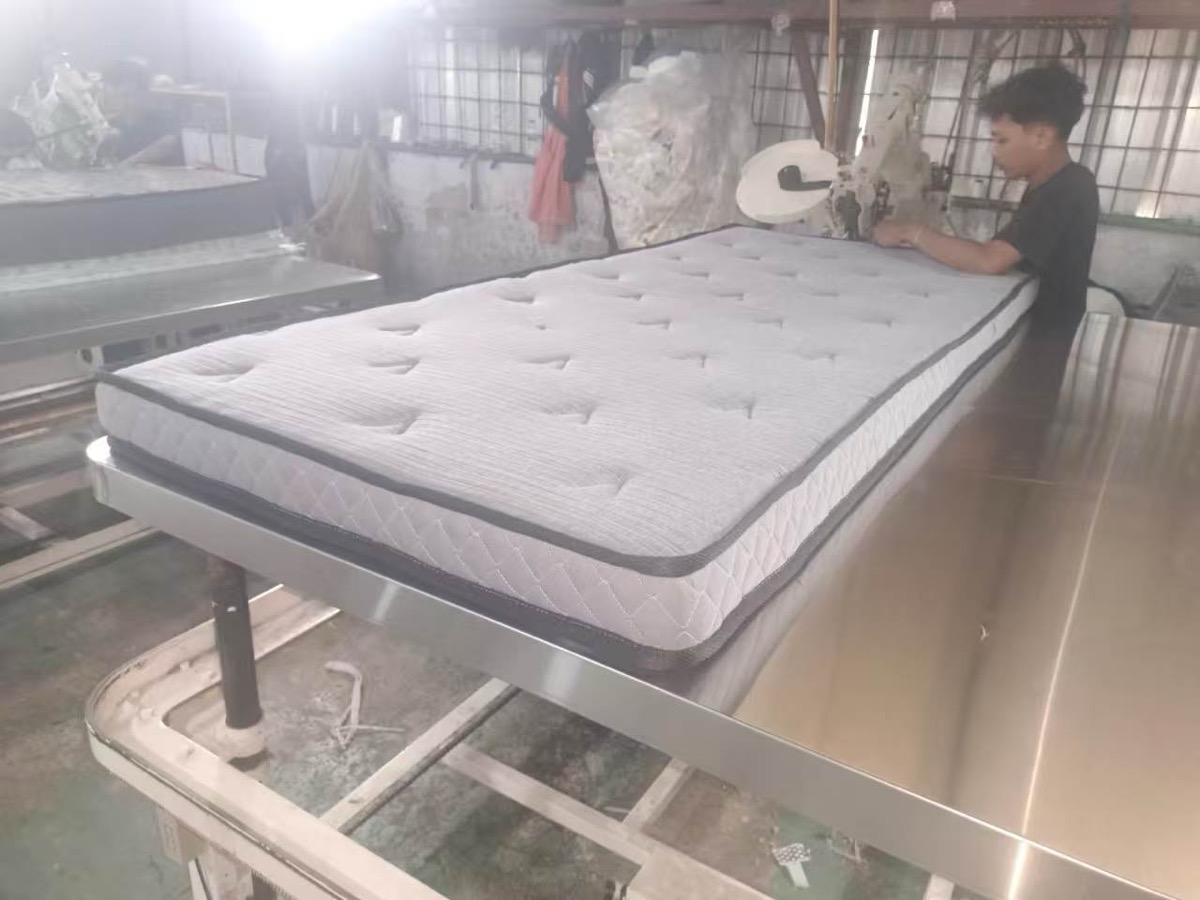
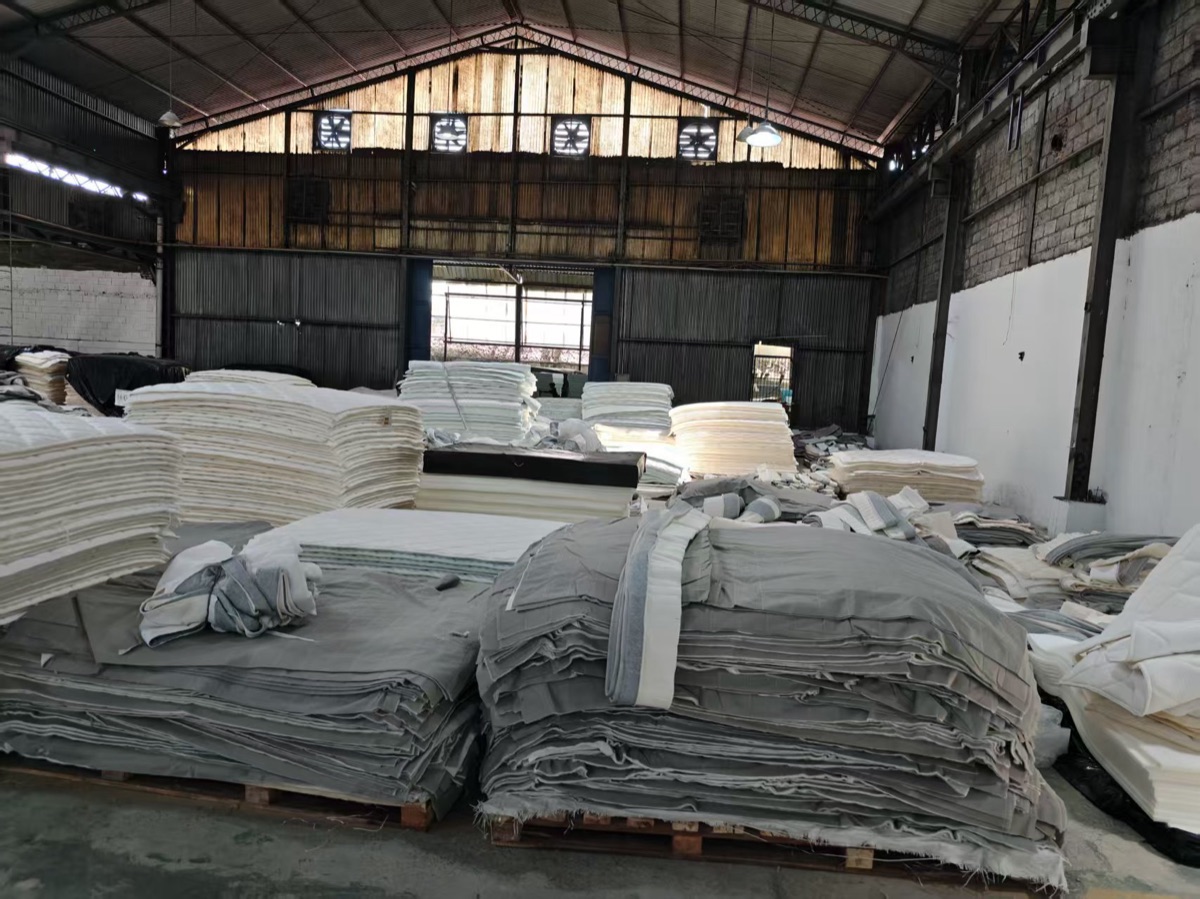
OEM vs ODM Mattress Manufacturing: Which Is Right for Your Brand?
OEM vs ODM mattress manufacturing is one of the first decisions a new or growing mattress brand has to make. Do you bring your own design to a factory, or build your range on designs the factory has already developed? The answer affects your launch speed, upfront costs, how different your product is from competitors, and who owns the design. This guide compares both models and helps you choose.
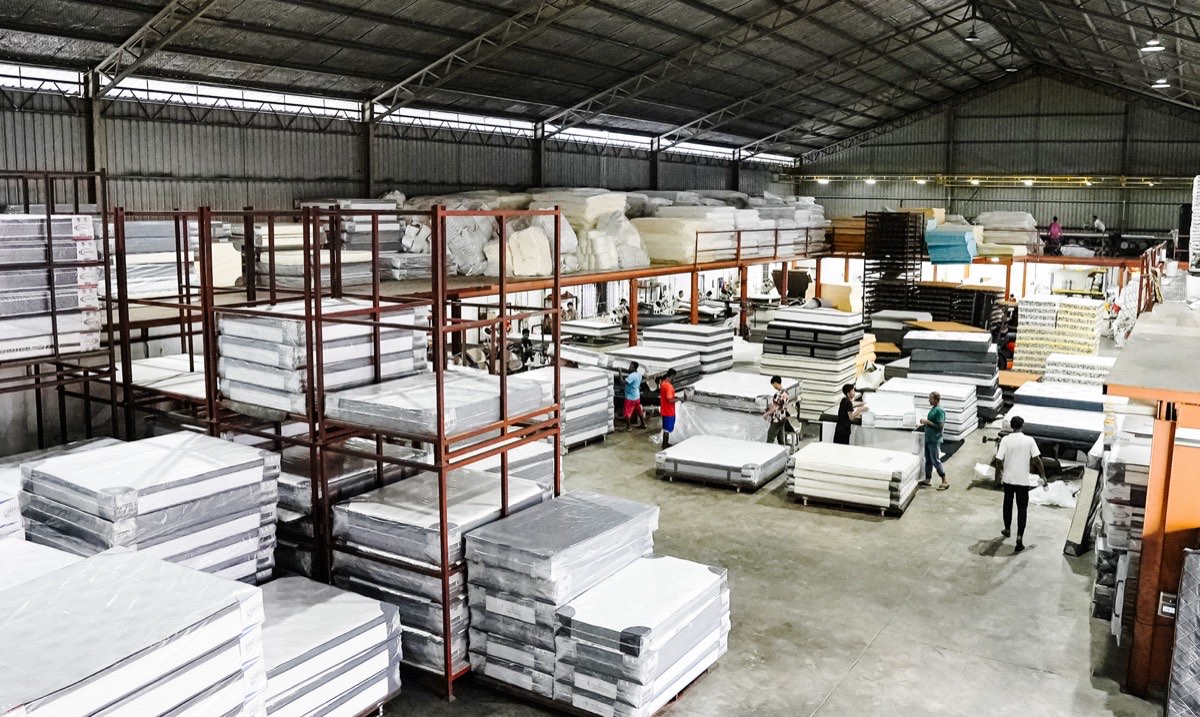
OEM and ODM in Plain Terms
OEM: Original Equipment Manufacturing
In an OEM mattress project, you bring the design. Your team defines the construction, layer by layer: spring type and coil count, foam types and densities, cover fabric, quilting pattern, dimensions, firmness target, labels and packaging. The factory sources materials and manufactures exactly to that specification. You carry more of the development work, and in return you get a product that is yours alone.
ODM: Original Design Manufacturing
In an ODM project, the factory brings the design. You choose from constructions the manufacturer has already developed, tested and produced, then sell them under your brand, usually with your own labels, packaging and often a customized cover or firmness. Because the hard engineering work is already done, you can launch faster with less upfront investment.
“Private label” and “white label” describe how the product is sold (under your brand name) rather than how it is designed, so most private label mattresses are ODM, with varying amounts of customization. For the full launch process, see our step-by-step private label mattress manufacturing guide.
OEM vs ODM Mattress: Side-by-Side Comparison
| Factor | OEM | ODM |
|---|---|---|
| Who designs it | Your brand | The factory (you choose and adjust) |
| Design ownership | Typically the brand (confirm in contract) | Typically the factory; exclusivity is negotiable |
| Time to launch | Longer: development, more sample rounds, testing | Shorter: proven design, fewer sample rounds |
| Upfront cost | Higher: development, samples, new testing | Lower: existing specs and often existing test data |
| Differentiation | High, since competitors can’t buy the same product | Lower, since similar bases may be sold to others |
| In-house expertise needed | Product development and sleep-product knowledge | Mainly branding, sales and marketing |
| Main risk | Design or comfort issues discovered late | Looking too similar to other brands |
| Best for | Established brands, signature products | New brands, range extensions, fast tests |
Minimum order quantities and lead times vary by factory and by construction under both models, so ask each supplier to quote the same specification both ways before you decide.
When ODM Is the Right Choice
- You are launching a new brand and want to validate demand before investing in product development.
- Speed matters, for example to catch a sales season or fill a gap in an existing retail range.
- Your strength is marketing and distribution, not mattress engineering.
- You need a full line quickly: a pocket spring model, a hybrid and a value foam option can all come from one factory’s proven range.
To stand out with ODM, customize the parts customers see and feel: cover fabric and color, quilting, firmness tuning, profile height, labels and box design. Ask whether a construction can be made exclusive to you in your market.
When OEM Is the Right Choice
- You have a signature product or a specific comfort feel your customers expect.
- You already have specifications, perhaps from a previous factory, and want them built consistently.
- Differentiation is core to your strategy and you need a product competitors cannot simply source.
- You are moving production and want to keep your existing models identical after the switch.
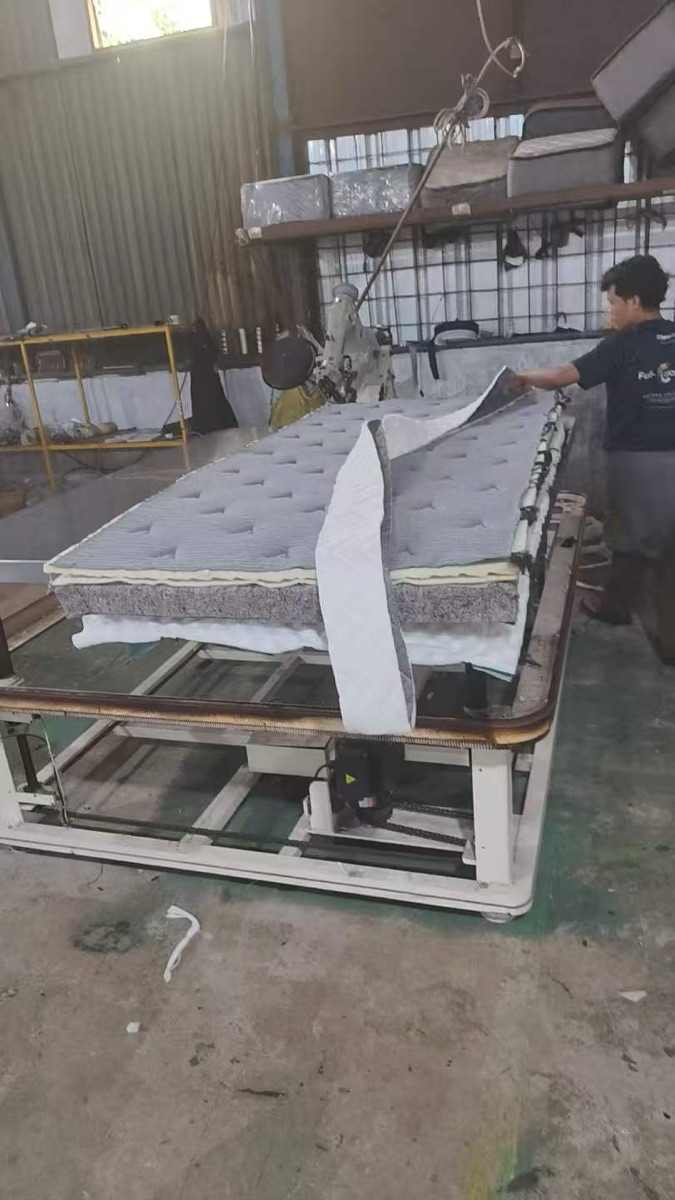
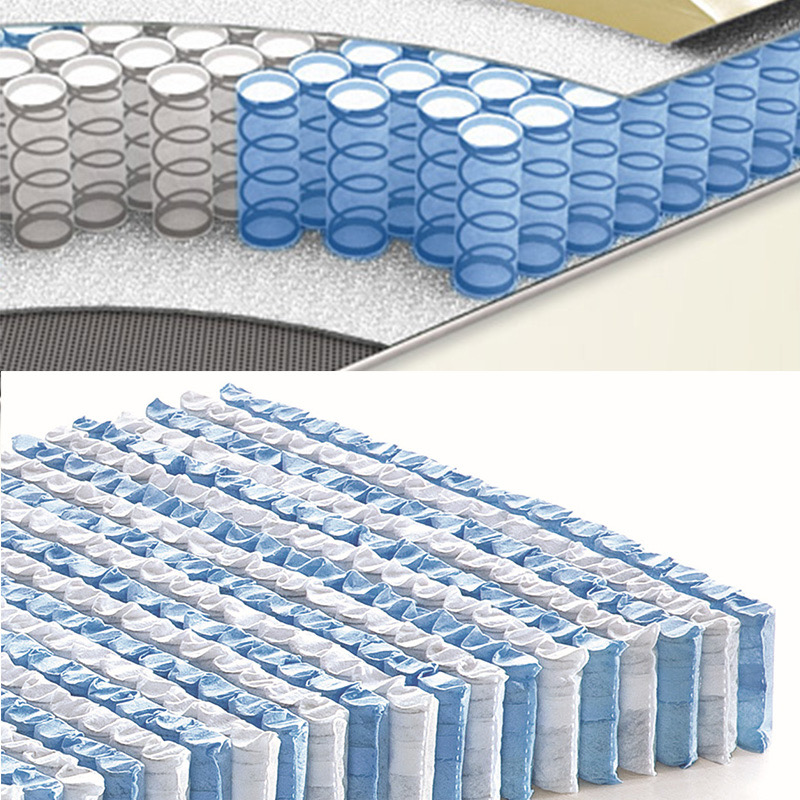
OEM works best with a factory that controls its core components. A manufacturer that produces its own pocket spring units can adjust wire gauge, coil height and coil count to hit your specification, instead of being limited to what a component supplier stocks.
The Hybrid Route Most Brands Take
In practice, the line between OEM and ODM is a spectrum. A common path looks like this:
- Launch on ODM. Pick two or three proven constructions, customize covers and packaging, and go to market.
- Learn from customers. Reviews and return reasons show what to change, such as firmness, edge support or cooling.
- Co-develop. Work with the factory’s R&D team to modify the base design into something exclusive.
- Add OEM hero products. Once volume justifies it, develop fully owned signature models while keeping ODM models for entry price points.
Choosing a factory that offers both models, plus component supply such as pocket spring units and foam layers, means you don’t have to change suppliers as your brand matures. See how this works with DMM as a mattress supplier in Indonesia.
What to Agree With Your Factory
Whichever model you choose, put these points in writing before mass production:
- ☐ A signed specification sheet listing every material, dimension and tolerance
- ☐ An approved “golden sample” kept by both sides as the reference
- ☐ Ownership of designs, artwork, custom tooling and test reports
- ☐ Confidentiality terms, and exclusivity terms if you need them
- ☐ Quality standards (AQL level) and how defects are handled
- ☐ Compliance testing for your market and who pays for it
- ☐ Packaging, labeling and carton specifications
- ☐ Pricing, payment terms, Incoterms, MOQ and lead times
For the US market, mattresses must meet federal flammability standards (16 CFR 1632 and 16 CFR 1633) and labeling rules. As the brand or importer, confirm the details with a compliance specialist and ask your factory for relevant test reports. With ODM, existing reports may cover the base construction; with OEM, new constructions usually need new testing. Our 10-point checklist for choosing a mattress supplier covers what else to verify.
Common Mistakes to Avoid
- Treating ODM as “just add a logo.” Without some customization, your product competes on price alone.
- Starting OEM with a vague brief. “Medium firm, premium feel” is not a specification. Define layers, densities and target firmness.
- Skipping ownership terms. Assuming you own a design because you paid for samples can lead to disputes later.
- Changing specs after sign-off. Late changes reset sampling and can invalidate test reports.
- Ignoring packaging. If you sell online, confirm early that the construction can be roll-packed and shipped in a box without damage.
Frequently Asked Questions
- What is the difference between OEM and ODM in mattress manufacturing?
- With OEM, you supply the design and specification and the factory builds it to your instructions. With ODM, the factory supplies an existing or co-developed design that you sell under your own brand. The key differences are who owns the design, how much development work you do, and how quickly you can launch.
- Is private label the same as ODM?
- They overlap. Private label usually means selling a factory-made product under your brand, which is most often an ODM model. Some private label programs only change the label and packaging; others adjust covers, comfort layers or firmness on top of a factory base design.
- Which is cheaper, OEM or ODM?
- ODM is usually cheaper and faster to start because the design, materials and production process are already proven. OEM requires more of your own development, sampling and testing, but gives you a product competitors cannot easily buy from the same factory. Per-unit cost depends on the specification and volume, so ask suppliers to quote both routes.
- Who owns the design in an OEM mattress project?
- In a true OEM project the brand owns its design and specification, but ownership should always be written into the contract. Agree on who owns specifications, artwork, custom tooling and test reports, and include confidentiality terms before you share your designs.
- Can I start with ODM and switch to OEM later?
- Yes, and many brands do. Launching with a proven ODM base lets you test the market quickly. As sales and customer feedback grow, you can move to OEM or a hybrid model with your own exclusive constructions.
OEM, ODM or Somewhere in Between?
DMM Mattress offers OEM, ODM and private label manufacturing in Indonesia, backed by more than 20 years of spring and mattress experience and our own pocket spring production. Share your brief and we’ll suggest the right route.