How to Choose a Mattress Supplier: A 10-Point Checklist for Brands & Importers
Your mattress supplier determines your product quality, margins and delivery reliability, and switching factories mid-season is painful. Whether you are launching a private label brand, stocking a retail range or importing in volume, use this checklist to compare mattress suppliers before you sign.
Before You Start: Define Your Requirements
Suppliers can only quote accurately against a clear brief. Write down your target market, price point, constructions, sizes, firmness range, packaging and estimated annual volumes. Send the same brief to every supplier so the quotations are comparable.
The 10-Point Mattress Supplier Checklist
1. Manufacturer or Trading Company?
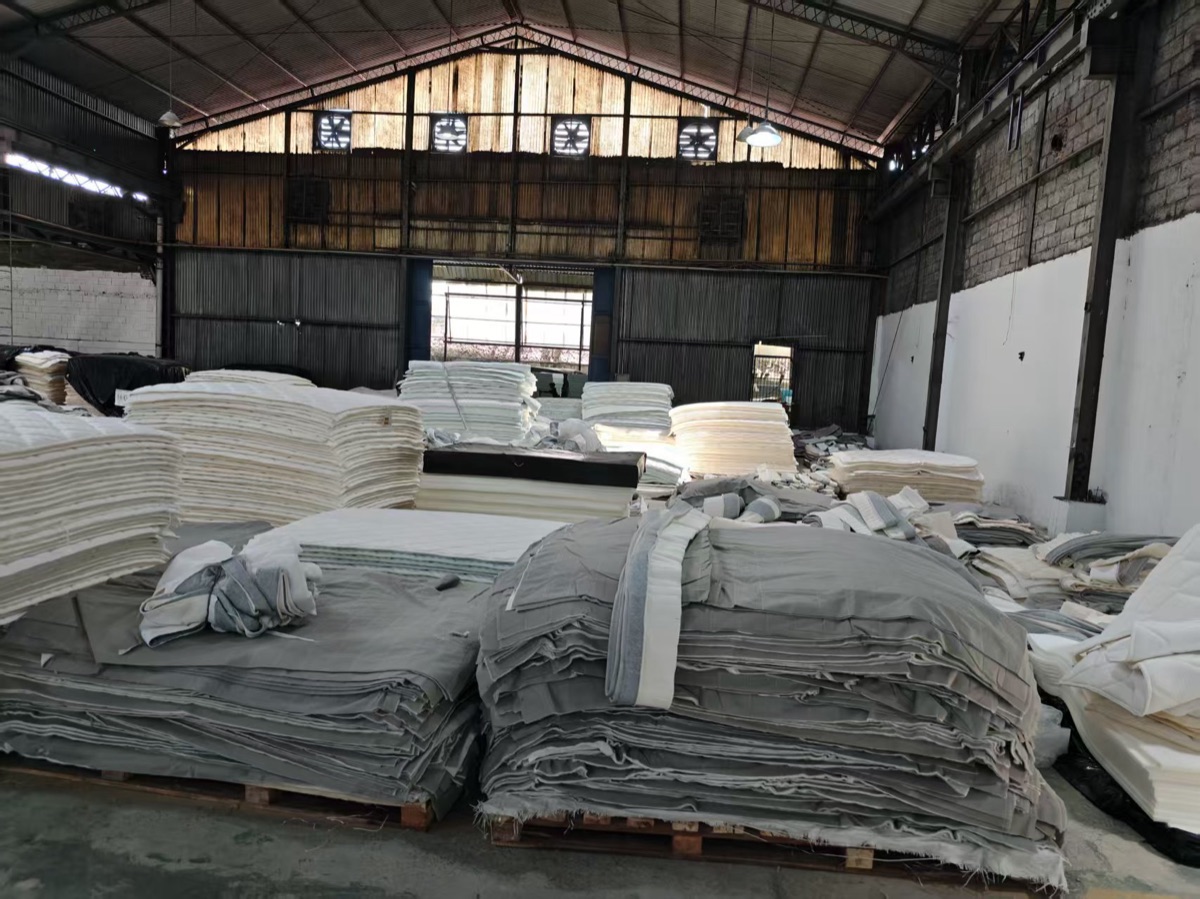
Many listings for “mattress suppliers” are trading companies. They can be useful for small orders, but they add a margin and a layer between you and the production line. Ask directly where the mattresses are made, and request photos or a video call from the factory floor.
2. Does the Supplier Make Its Own Springs?
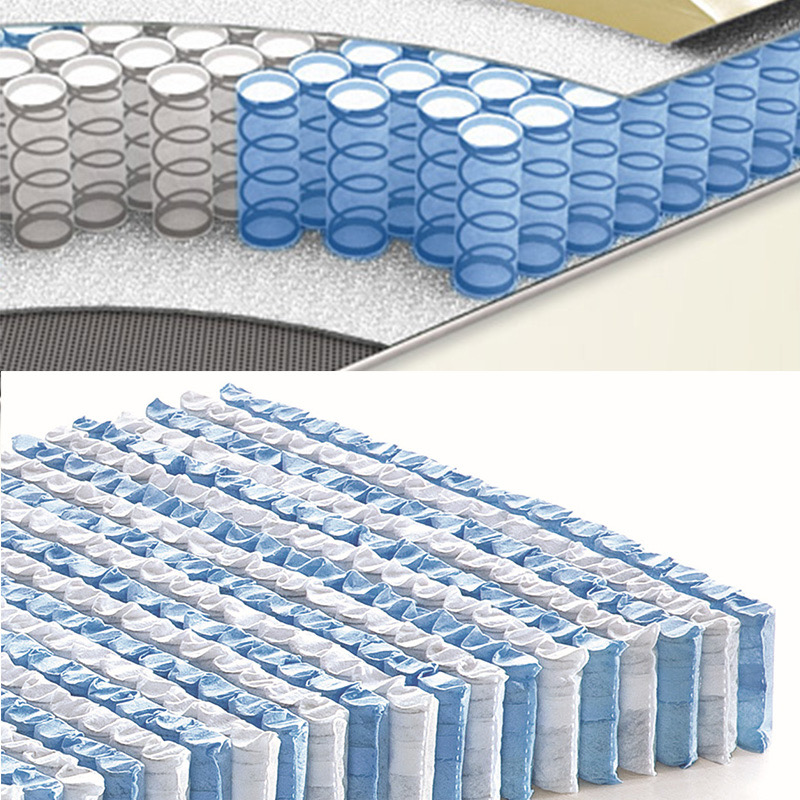
The spring unit is the heart of most mattresses. Suppliers that produce pocket spring units in-house control wire gauge, coil count and quality directly, react faster to specification changes, and are less exposed to component shortages.
3. Product Range That Matches Your Line
Check that the supplier already produces the constructions you need, whether pocket spring, hybrid, foam, bonnell or foldable, at your target profile heights. A factory that specializes in your category will reach consistent quality faster than one learning on your order.
4. Customization: Private Label and OEM/ODM
Clarify what can be changed: covers and fabrics, comfort layers, firmness, sizes, labels and packaging. If you need a new product rather than a rebrand, look for genuine ODM capability, meaning a team that can develop and test constructions with you. New to this? See our step-by-step private label mattress guide.
5. Quality Control Process
Ask how quality is checked at each stage: incoming materials, spring units, assembly and final inspection. Agree on an acceptable quality level (AQL) and consider booking a pre-shipment inspection for your first orders.
6. Compliance for Your Market
Each market has its own rules. For the United States, mattresses must meet federal flammability standards (16 CFR 1632 and 16 CFR 1633) and labeling requirements. Ask for recent test reports and confirm the supplier has shipped compliant products to your market before.
7. Samples and Specification Sign-Off
Never skip samples. Test them for comfort, durability and dimensions, then sign off a written specification that lists every material, so mass production matches what you approved.
8. Packaging and Shipping Efficiency
Roll-packed (compressed) mattresses dramatically increase how many units fit in a container and are essential for e-commerce delivery. Confirm which constructions can be roll-packed and what carton sizes the supplier uses.
9. Track Record and References
Ask which brands the supplier already produces for and how long they have been in business. Established customer relationships are one of the strongest signals that a factory delivers consistently.
10. Communication, Terms and Export Experience
Fast, clear communication in your language prevents expensive mistakes. Agree on payment terms, Incoterms, lead times and how defects are handled before the first order, and check that the supplier is comfortable with export documentation.
Red Flags When Evaluating Mattress Suppliers
- Prices far below other quotations for the same specification
- Reluctance to share factory photos, video calls or test reports
- Vague answers about where springs and foam come from
- No written specification or quality agreement
- Samples that differ noticeably from the agreed specification
Next Step: Shortlist and Sample
Once two or three suppliers pass the checklist, order samples, test them side by side, and negotiate terms with your preferred factory. If you are considering Indonesia as a sourcing base, see Sourcing Mattresses from Indonesia: A Guide for US Brands, or learn how DMM works as a mattress supplier in Indonesia.
Frequently Asked Questions
- What is the difference between a mattress manufacturer and a mattress supplier?
- A supplier is anyone who sells you mattresses. That can be the factory itself or a trading company that sources from factories. Buying directly from a manufacturer usually gives you better control over specifications, quality and cost.
- How many mattress suppliers should I compare?
- Shortlist three to five suppliers that fit your product type and market, request quotations against the same specification, then sample the two or three strongest candidates before deciding.
- Should I visit a mattress factory before ordering?
- Yes, if possible. A visit, or a third-party factory audit, lets you verify production lines, quality control and working conditions before you commit to a large order.
- What documents should a mattress supplier provide?
- Expect a detailed specification sheet, test reports relevant to your market (for the US, flammability testing to 16 CFR 1632 and 1633), packing details, and standard export documents such as the commercial invoice, packing list and certificate of origin.
Evaluating Mattress Suppliers?
DMM Mattress manufactures pocket spring, hybrid and foam mattresses in Indonesia, with our own spring production. Send us your specification for a quotation.